Compensation governance
Figure 1: Compensation governance at SIG.
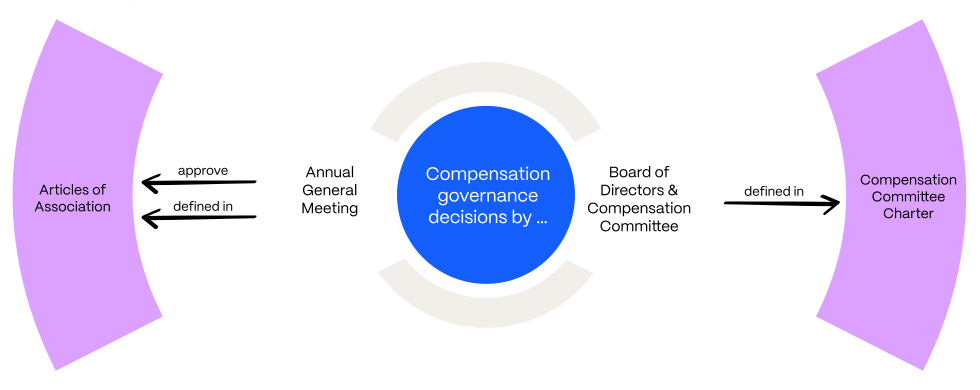
The compensation governance structure at SIG involves three primary bodies, as depicted in Figure 1: (1) the Board, (2) the Compensation Committee, acting in an advisory capacity for the Board, and (3) SIG’s shareholders at the Annual General Meeting (“AGM”). The Compensation Committee Charter and the Articles of Association outline and define the roles and responsibilities of these bodies. Figure 2 shows the most relevant provisions on compensation in the Articles of Association.
Figure 2: Relevant provisions on compensation in the Articles of Association of SIG.
Principles for the compensation of the members of the Board and the Group Executive Board |
|
Members of the Board of Directors receive fixed compensation, while members of the Group Executive Board receive fixed and variable compensation. The variable compensation may include short-term and long-term variable compensation components. These are governed by quantitative and qualitative performance criteria that take into account the performance of the Company and the group and/or operating units thereof, and/or individual targets. |
|---|---|---|
Compensation approvals by the General Meeting |
|
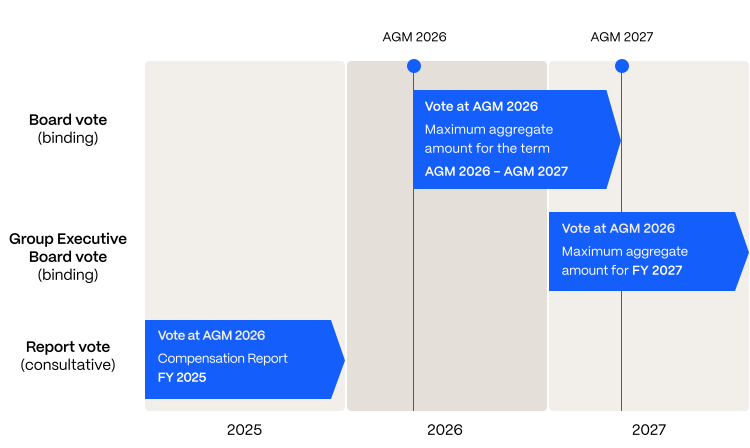
The AGM has the authority to approve the maximum aggregate amount of compensation for the Board of Directors for the ensuing term of office and the maximum aggregate amount of compensation for the Group Executive Board for the following year. |
Supplementary amounts available for members joining the Group Executive Board after the relevant approval of compensation by the AGM |
|
SIG is authorized to pay compensation to such members of the Group Executive Board without further approval even in excess of the maximum aggregate amount approved by the AGM for the relevant year, provided that the sum of such excess amount is not greater than 40% of the approved maximum aggregate amount of compensation for the Group Executive Board for such year. |
Rules on loans, credit facilities and post-employment benefits |
|
SIG may enter into compensated non-competition agreements with members of the Group Executive Board with a duration of up to 18 months after termination of the employment. |
Retirement benefits |
|
SIG may establish or join one or more independent pension funds for occupational pension benefits. Instead, or in addition, SIG may directly offer retirement benefits (such as pensions, purchase of healthcare insurances, etc.) outside of the scope of occupational pension benefit regulations to members of the Group Executive Board and may pay them out after retirement. |
The Articles of Association can be found on the SIG home page for investors: https://www.sig.biz/investors/en/governance/articles-of-association, or downloaded directly here: https://api.sig.biz/media/e33d0ovl/sig-group-ag-articles-of-association.pdf
The roles of the AGM and the Compensation Committee are described in more detail in the following paragraphs. The general split and delegation of responsibilities and authorities between the Board, the Compensation Committee and the AGM is illustrated in Figure 3.
Figure 3: Authority table regarding compensation.
|
|
CEO |
|
Compensation Committee |
|
Board of Directors |
|
AGM |
|---|---|---|---|---|---|---|---|---|
Compensation principles (Articles of Association) |
|
|
|
|
|
Approval (subject to AGM approval) |
|
Approval (in case of changes, binding vote) |
Compensation strategy and guidelines |
|
|
|
Proposal |
|
Approval |
|
|
Key terms of compensation plans and programs for members of the Board of Directors and Group Executive Board |
|
|
|
Proposal |
|
Approval |
|
|
Maximum aggregate compensation for members of the Board of Directors |
|
|
|
Proposal |
|
Approval (subject to AGM approval) |
|
Approval (binding vote) |
Maximum aggregate compensation and benefits for members of the Group Executive Board |
|
|
|
Proposal |
|
Approval (subject to AGM approval) |
|
Approval (binding vote) |
Employment and termination agreements for the CEO |
|
|
|
Proposal |
|
Approval |
|
|
Employment and termination agreements for members of the Group Executive Board, other than the CEO |
|
Proposal |
|
Review |
|
Approval |
|
|
Compensation Report |
|
|
|
Proposal |
|
Approval |
|
Approval (consultative vote) |
Individual total compensation of the CEO |
|
|
|
Proposal |
|
Approval |
|
|
Individual total compensation of other members of the Group Executive Board, other than the CEO |
|
Proposal |
|
Review |
|
Approval |
|
|
Role of the shareholders – shareholder engagement
In line with SIG’s Articles of Association, particularly Art. 11 and Art. 27, the Board will submit three separate compensation-related resolutions for shareholder approval at the AGM in April 2026, as illustrated in Figure 4:
Figure 4: Overview of votes at the 2026 AGM.
Board of Directors and Executive Management
The Corporate Governance report provides a detailed overview of the composition of the Board of Directors as well as the Group Executive Board, including biographies of the current members.
Composition of the Compensation Committee
The Compensation Committee consists of three independent, non-executive Board members who are elected annually and individually by the Annual General Meeting for a one-year term until the following Annual General Meeting.
At the Annual General Meeting 2025, Werner Bauer was re-elected and the Board of Directors confirmed him to be the Chair of the Compensation Committee for the term from the AGM 2025 to the AGM 2026. Wah-Hui Chu and Matthias Währen did not stand for re-election as members of the Compensation Committee. Their seats in the Compensation Committee have been taken over by Niren Chaudhary and Urs Riedener, who were elected as new members of the Compensation Committee by the Annual General Meeting 2025.
Role of the Compensation Committee and activities during 2025
The main role of the Compensation Committee is to assist the Board in fulfilling its responsibilities relating to the compensation of the members of the Board and the Group Executive Board of SIG. The Compensation Committee supports the Board in discharging its duties; proposes guidelines regarding the compensation of the members of the Board, the Chief Executive Officer (“CEO”) and the other members of the Group Executive Board; proposes the maximum aggregate amounts of compensation to be submitted to the Annual General Meeting for approval; and assists the Board in preparing the related motions for the Annual General Meeting.
The Compensation Committee Chair ensures that the Board members are kept informed in a timely and appropriate manner of all material matters within the Compensation Committee’s area of responsibility.
The Compensation Committee Chair convenes the meetings of the Compensation Committee as often as the business affairs of SIG require, but at least three times a year. In 2025, the Compensation Committee held eleven meetings. Some of the meetings were held as video conferences or hybrid meetings. All meetings in 2025 had full attendance by all members of the Compensation Committee. The topics covered in the meetings are described in Figure 5. The Corporate Governance Report provides a detailed overview of the timing of the meetings.
Figure 5: Topics covered by the Compensation Committee in 2025.
|
|
Agenda Item |
|
Jan. |
|
Feb. |
|
Apr. |
|
Jul. |
|
Aug. |
|
Sep. |
|
Oct. |
|
Nov. |
|
Dec. |
|---|---|---|---|---|---|---|---|---|---|---|---|---|---|---|---|---|---|---|---|---|
Principles and design of compensation plans |
|
Market intelligence (recent developments in compensation, legal, governance landscapes) |
|
|
|
|
|
|
|
⬤ |
|
|
|
|
|
|
|
|
|
|
|
Review of general target framework for Short-Term Incentive and Long-Term Incentive Plan |
|
|
|
|
|
|
|
⬤ |
|
|
|
|
|
|
|
|
|
|
|
|
Short-Term Incentive Plan |
|
|
|
|
|
|
|
|
|
|
|
|
|
|
|
|
|
|
|
|
Definition of framework and KPI measures for 2026 |
|
|
|
|
|
|
|
|
|
|
|
⬤ |
|
|
|
|
|
⬤ |
|
|
Long-Term Incentive Plan |
|
|
|
|
|
|
|
|
|
|
|
|
|
|
|
|
|
|
|
|
Review of KPI definition for PSU grant 2025 |
|
⬤ |
|
⬤ |
|
|
|
|
|
|
|
|
|
|
|
|
|
|
|
|
General review of LTIP designs |
|
|
|
|
|
|
|
|
|
|
|
⬤ |
|
|
|
|
|
⬤ |
|
|
Review and update of: |
|
|
|
|
|
|
|
|
|
|
|
|
|
|
|
|
|
|
|
|
– Performance Share Unit Plan Regulations |
|
|
|
⬤ |
|
|
|
|
|
|
|
|
|
|
|
|
|
|
|
|
– Compensation Committee Charter |
|
|
|
|
|
|
|
|
|
|
|
|
|
|
|
|
|
⬤ |
|
Compensation Group Executive Board |
|
Short-Term Incentive Plan |
|
|
|
|
|
|
|
|
|
|
|
|
|
|
|
|
|
|
|
– Target achievement 2024 |
|
|
|
⬤ |
|
|
|
|
|
|
|
|
|
|
|
|
|
|
|
|
– Target setting 2025 |
|
⬤ |
|
⬤ |
|
|
|
|
|
|
|
|
|
|
|
|
|
|
|
|
– Target achievement 2025 |
|
|
|
|
|
|
|
|
|
|
|
⬤ |
|
|
|
|
|
⬤ |
|
|
Long-Term Incentive Plan |
|
|
|
|
|
|
|
|
|
|
|
|
|
|
|
|
|
|
|
|
– Recommendation of plan participants and target setting for grant 2025 |
|
|
|
⬤ |
|
|
|
|
|
|
|
|
|
|
|
|
|
|
|
|
– Plan 2022–2025: target achievement and vesting multiple |
|
|
|
⬤ |
|
⬤ |
|
|
|
|
|
|
|
|
|
|
|
|
|
|
Review of compensation for members of the Group Executive Board |
|
⬤ |
|
⬤ |
|
|
|
|
|
|
|
|
|
|
|
|
|
|
|
|
Review of compensation principle, design and composition for the Group Executive Board |
|
|
|
|
|
|
|
⬤ |
|
|
|
⬤ |
|
|
|
|
|
|
|
|
Employment matters related to succession planning |
|
|
|
|
|
|
|
|
|
|
|
|
|
⬤ |
|
⬤ |
|
|
|
|
One-time Leadership Continuity Plan |
|
|
|
|
|
|
|
|
|
⬤ |
|
⬤ |
|
|
|
|
|
|
|
Compensation Board of Directors |
|
Review of compensation for members of the Board of Directors |
|
⬤ |
|
⬤ |
|
|
|
|
|
|
|
|
|
|
|
|
|
|
General Framework |
|
Shareholding Guidelines Assessment |
|
⬤ |
|
|
|
|
|
|
|
|
|
|
|
|
|
|
|
|
|
Pay equity roadmap – status update |
|
|
|
|
|
|
|
|
|
|
|
|
|
|
|
|
|
⬤ |
|
Communication |
|
AGM invitation, including determination of the maximum amounts of compensation for the Board of Directors (for the term AGM 2025 to AGM 2026) and the Group Executive Board (year 2026) |
|
|
|
⬤ |
|
|
|
|
|
|
|
|
|
|
|
|
|
|
|
Analysis of the compensation voting results of the AGM and the proxy advisors’ feedback |
|
|
|
|
|
|
|
⬤ |
|
|
|
|
|
|
|
|
|
|
|
|
Compensation Report |
|
⬤ |
|
⬤ |
|
|
|
|
|
|
|
|
|
|
|
|
|
⬤ |
A performance review of the Board, the Committees and the Group Executive Board was conducted by the Nomination and Governance Committee during 2025, with some members of the Compensation Committee in attendance to ensure close coordination.
The Compensation Committee may ask members of the Group Executive Board, one or more senior managers in the People & Culture function and third parties to attend meetings in an advisory capacity and may provide them with appropriate information. However, the Compensation Committee also regularly holds private sessions (i.e. without the presence of members of the Group Executive Board, senior managers or third parties). Further, all members of the Board may attend any Compensation Committee meeting as guests. The Chair of the Board and the members of the Group Executive Board did not attend the meeting when their own compensation and/or performance was discussed. The Chair of the Compensation Committee reported to the Board after each meeting on the substance of the meeting and explained the proposals of the Compensation Committee to the Board. The documents and minutes of Compensation Committee meetings are available to all members of the Board.
The Compensation Committee may decide to consult external advisers on specific compensation matters. In 2025, the Compensation Committee appointed HCM International Ltd. (“HCM”) as an external independent adviser on certain compensation matters including on target setting for the Long-Term Incentive Plan, as described in the section Long-Term Incentive Plan. Furthermore, Algofin AG (“Algofin”) was engaged in numerous design and valuation matters with regard to the relative TSR for the Long-Term Incentive Plan. Apart from the aforementioned advice, HCM or Algofin were not appointed for any other mandates in 2025.
Shareholder engagement
A recurring topic from the shareholder outreach is the ESG component in the variable compensation which was further reviewed by the Compensation Committee in the course of 2025. A strong focus on ESG matters is integral to SIG’s business strategy and activities, and the compensation framework has for some years included a sustainability metric linked to our EcoVadis score1. This score reflects SIG’s performance in the areas of environment including climate change and greenhouse gas emission reductions along the value chain, labor and human rights, ethics and sustainable procurement, and encompasses a comprehensive view on ESG matters with relevance for all SIG stakeholders. The Compensation Committee decided to keep the ESG KPI with the EcoVadis score as part of our STIP. This rating reflects the broad scope of overarching ESG activities of the Company and requires reaching high performance levels to enable the leading position.
1 EcoVadis is regarded as a global leader in business sustainability assessments and has rated over 150,000 companies (https://ecovadis.com/). For further information on the EcoVadis Medals and methodology, please start at SIG’s recognition page https://recognition.ecovadis.com/CZvKdybObUqy8pIBfhc1AQ. SIG chose to use the EcoVadis aggregated score methodology, rather than selected KPIs, as it reflects the impact of all ESG-related KPIs and the sustainability approach related to implemented policies, actions and results. The SIG-specific KPIs influencing the score are aligned with strategic priorities across the value chain and operations. In the value chain, examples include reducing greenhouse gas emissions in line with climate science for Scope 1, 2 and 3 emissions and maintaining high standards of responsible sourcing for key commodities. Within the operations, KPIs include sustaining 100% renewable electricity usage and reducing lost-time injury cases. For People and Culture, they encompass metrics such as increasing diversity in leadership positions and employee training programs.